Disaster Preparation
It is the mission of our Public Health Emergency Preparedness program to encourage the community to be ready for disasters by having a plan, alternative forms of communication, and supplies to shelter-in-place or evacuate at a moment’s notice.
Resources
Plan Ahead
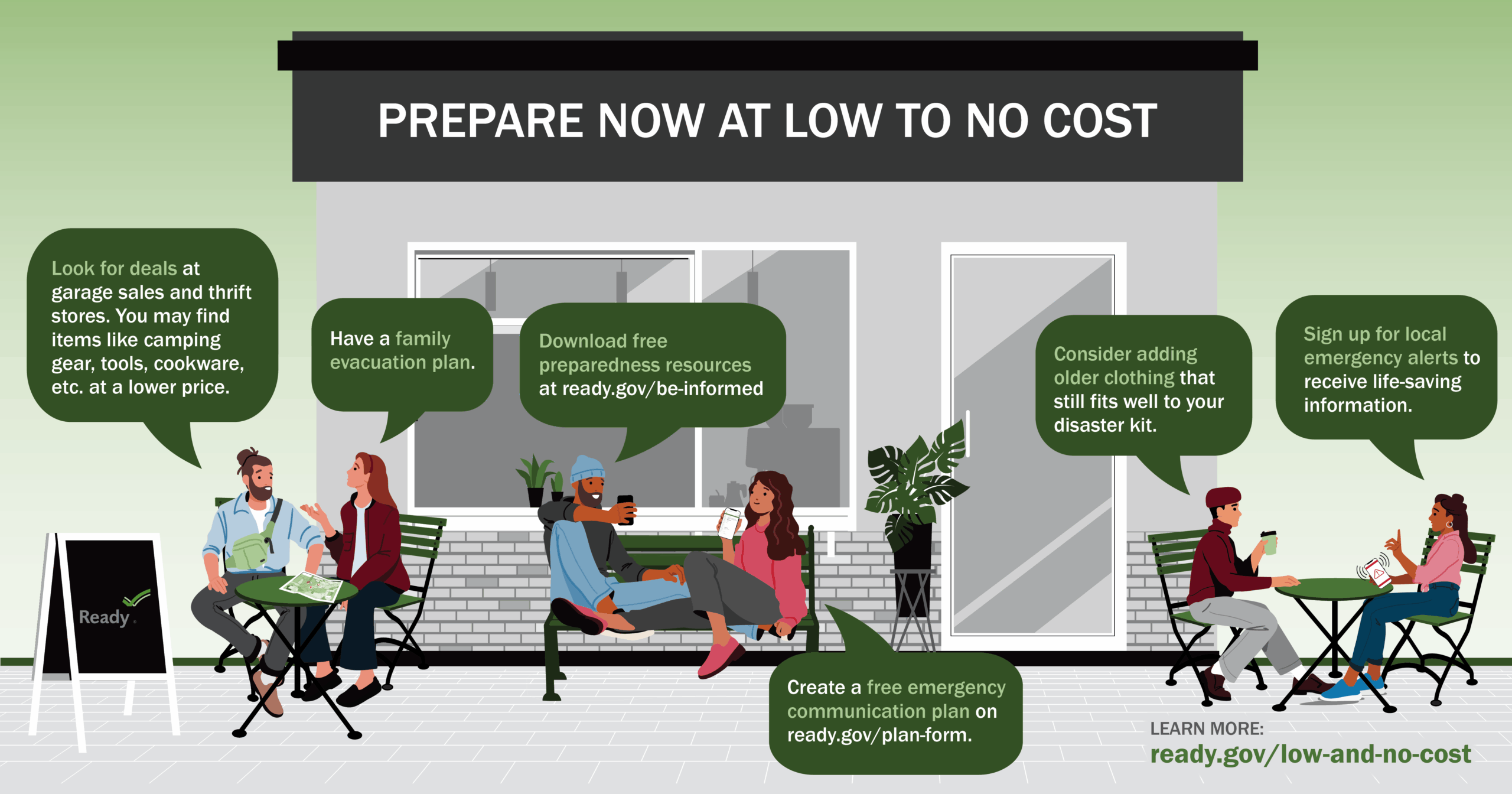
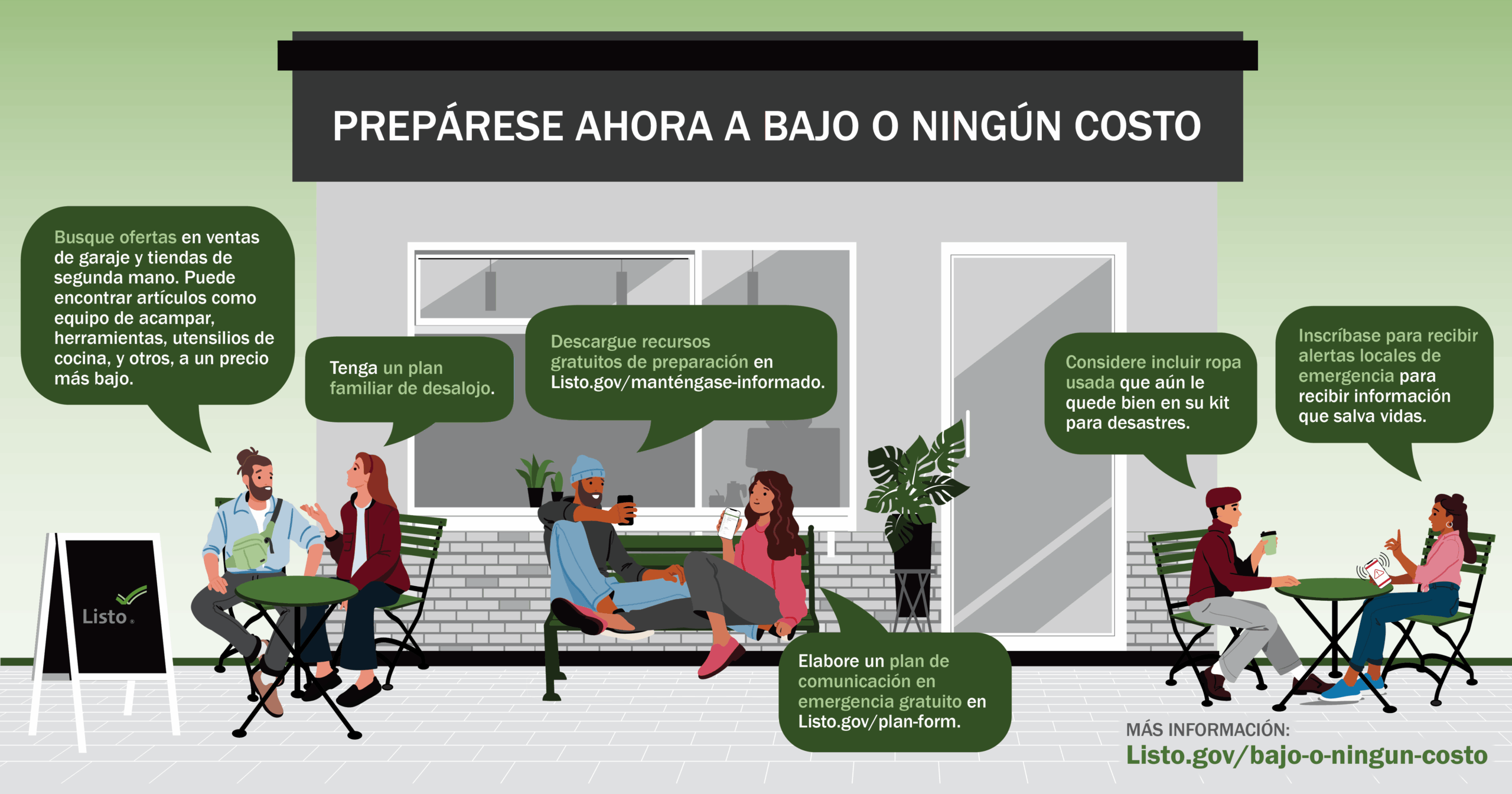
Use these 4 simple steps to your family for a disaster:
Step 1: CONSIDER THE FOLOWING QUESTIONS:
1. What is my communication plan? How will I reach my loved ones if I cannot use my cell phone?
2. What is my shelter plan? Do I have a place to spend a few days if I am evacuated from my home?
3. What is my evacuation route? Do I have more than one way to evacuate from my home?
4. If you own a business, go to Ready Business for help creating a preparedness plan to get ready for what comes next.
Additional Resources
Step 2: BUILD A KIT:
Before you start, consider the ages of your family members and their specific needs. Are there babies in your home that need formula, car seats, strollers, etc.? Do you need to plan for an adult and/or elderly person that requires additional care or assistance (prescription medications, durable medical equipment, etc.)? Finally, don’t forget to pack for your pets!
Watch Video 1 on right pane for more.
FEMA suggests all Americans have enough supplies on hand to sustain them for 3 days. There are numerous checklists and resources available on Ready.gov to help you build your kit today!
Watch Video 2 on right pane for more.
Remember to store your supplies in easily portable containers such as buckets, plastic bins or duffel bags and clearly label the outside. You should update your kits whenever your family needs change, such as when a new baby is born or a new pet joins the family. Check your kits annually to make sure nothing has expired and all things are in working order.


Preparing Makes Sense for Pet Owners
How to build an emergency go-bag
Preparing Makes Sense
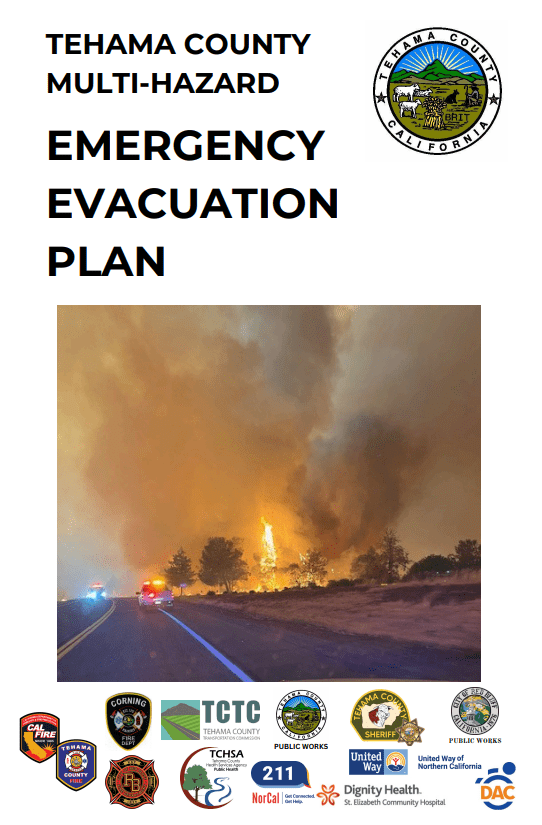
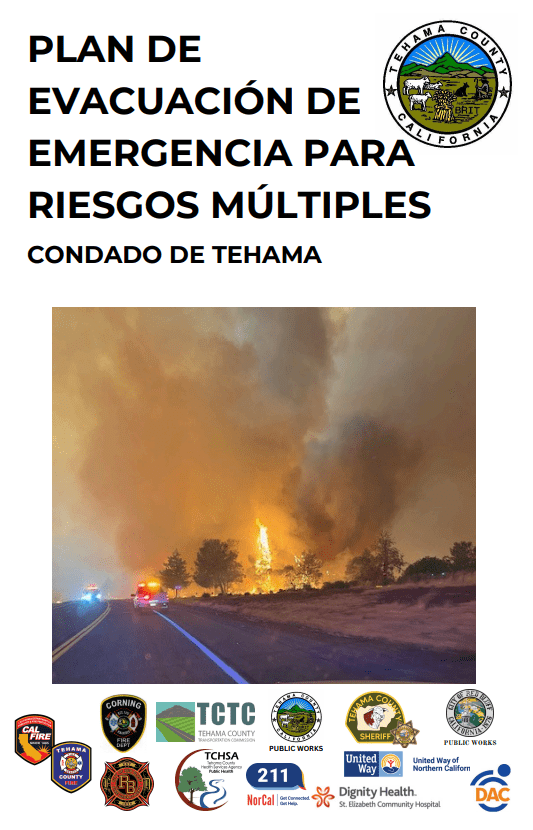
Visit Cal Fire’s website for their Wildfire Action Plan, as well as many other resources and tips on Fire Safety.The Tehama County Multi-Hazard Evacuation Plan can be used to plan your family’s evacuation routes.
Step 4: PRACTISE YOUR PLAN!
Have your family practice your plans! Make sure they know where to go, what to do, and who to call.